- Calls to this hotline are currently being directed to Within Health, Fay or Eating Disorder Solutions
- Representatives are standing by 24/7 to help answer your questions
- All calls are confidential and HIPAA compliant
- There is no obligation or cost to call
- Eating Disorder Hope does not receive any commissions or fees dependent upon which provider you select
- Additional treatment providers are located on our directory or samhsa.gov
Weight & Body Image Disorders: Causes, Symptoms & Signs
Body image refers to how people see themselves. Distorted body image (also called negative body image) refers to an unrealistic view of how someone sees their body. Like eating disorders, it is seen most commonly in women, but many men also suffer from the disorder.

Body image issues or body insecurity impact pretty much everyone at some point in their life. We live in such an appearance-focused society that it’s near impossible to not be insecure about a physical trait at some point.
American culture is obsessed with thin bodies. This cultural phenomenon is sometimes referred to as the “thin ideal”, which means that thin bodies are viewed as the most attractive body type.
This can create body insecurity for some people who are in a bigger body or feel that they don’t meet societal beauty standards. Negative body image can have a significant impact on someone’s life and mental health. While this is commonly seen in people with eating disorders, not everyone who struggles with body insecurity has an eating disorder.

Advertisement
What is Body Image?
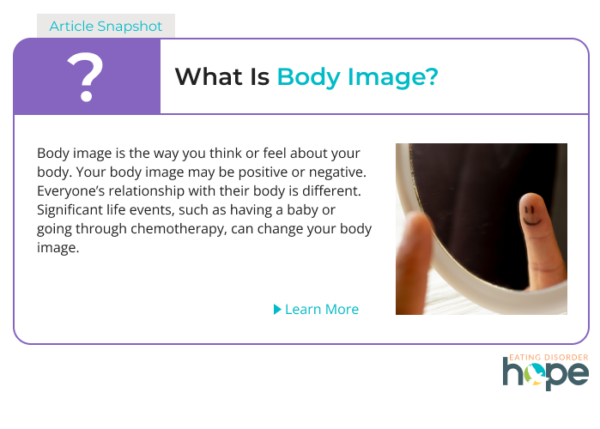
Body image is the way you think or feel about your body. Your body image may be positive or negative. Everyone’s relationship with their body is different. Significant life events, such as having a baby or going through chemotherapy, can change your body image.
However, we start forming our body image from a young age. As children we are like little sponges that absorb all the messages around us. These messages shape the way we view ourselves, others, and the world around us.
Some of the messages we receive as children are direct, such as things we hear from the people around us. For example, if your family made comments about your appearance or other people’s appearance, it’s likely that you started figuring out what was considered a good or bad body based on these comments.
Children also absorb indirect messages, such as subliminal messages in media. For example, in a TV show all the popular kids might have a certain body type while the character who plays the villain or is cast as the unpopular one is overweight. This is a way to communicate that being in a bigger body is bad.
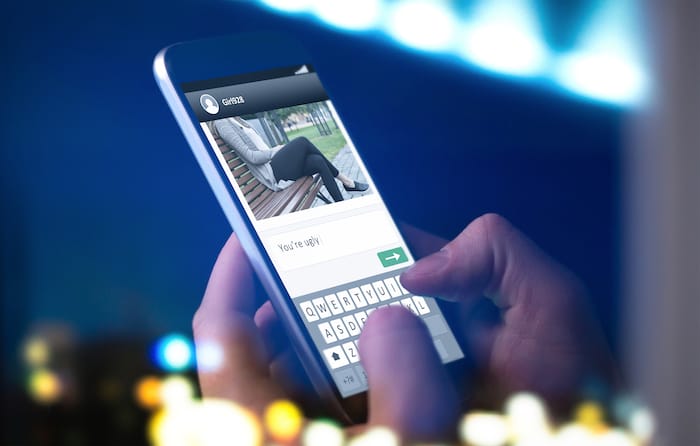
Media is known to significantly impact body image. [1] Media includes television, movies, advertisements, and social media such as Instagram and TikTok. We are constantly surrounded by messages about our bodies through these media sources.
What is Body Dysmorphia?
When some individuals have a low body image, they may develop an eating disorder or body dysmorphia. Body dysmorphia is a mental health condition. This term is thrown around often in the media and in mental health circles so you might be wondering about the actual definition of dysmorphia. [2]
This condition is included in the official diagnostic manual that doctors and other mental health professionals use to diagnose their clients.
In order for someone to be diagnosed with body dysmorphia, they must meet the following criteria: [2]
- Preoccupation with one or more perceived physical defects or flaws that are not noticeable to others
- At some point while having this condition, the person struggling has performed repetitive behaviors (e.g mirror checking, reassurance seeking, etc) or mental acts (i.e comparisons) in response to their worries about their appearance
- Preoccupation with the perceived flaws causes clinically significant distress and impairment in one or more areas of someone’s life, such as their social or occupational functioning
- These body image concerns are not due to an eating disorder
What are the Signs of Negative Body Image?
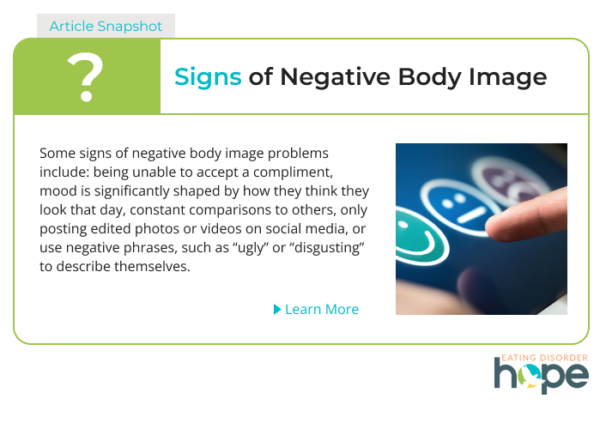
Some signs of negative body image problems include:
- Being unable to accept a compliment
- Mood is significantly shaped by how they think they look that day
- Constant comparisons to others
- Only posting edited photos or videos on social media
- Use negative phrases, such as “ugly” or “disgusting” to describe themselves
- Seeking constant reassurance from others that their looks are okay
- Consistently distorted body image
- Belief that if they could reach their beauty goals then they would be happier
- Equate thinness or other physical features with success, perfection, or happiness
- Ongoing fear of gaining weight
- Feelings of shame about themselves or their body

What are the Causes of Body Image Problems?
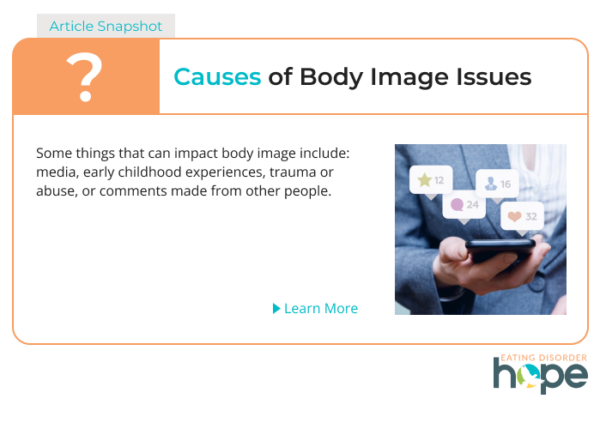
Body image is complex. There are so many things that can contribute to body image problems. [1,3] Some things that can impact body image include:
- Media
- Early childhood experiences
- Trauma or abuse
- Comments made from other people
If you are struggling with body image, there might be several factors that feed into it. Working with a qualified therapist can help you sort through these things.
Sometimes body image is negatively impacted by one or more significant events. For example, a gymnast who is continually chided by her coach and fellow athletes to lose a little weight may develop a deeply ingrained and long-standing dissatisfaction with her body, no matter how thin she becomes.
If you are concerned about your body image, here are some questions to ask yourself:
- Is my perception of beauty distorted from years of media exposure that glorifies a very thin ideal that is unrealistic for most people to obtain in a healthy manner?
- Do I find myself regularly criticizing my own appearance?
Relationship Between Body & Weight Image
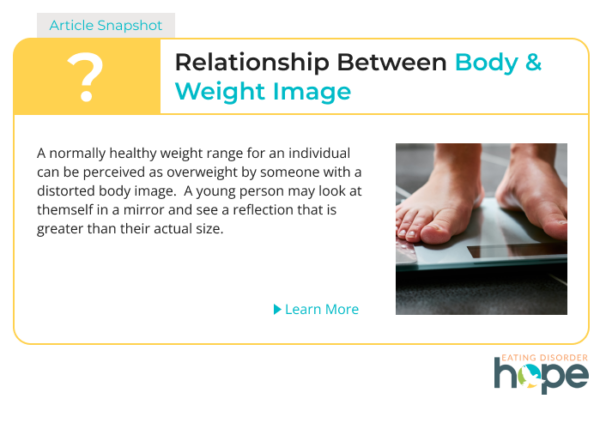
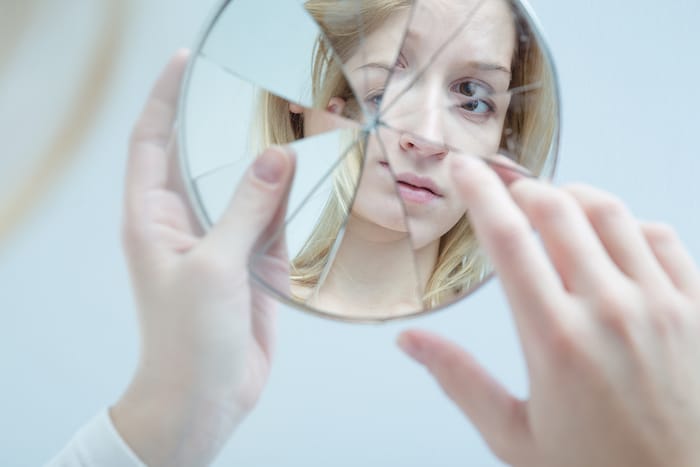
A normally healthy weight range for an individual can be perceived as overweight by someone with a distorted body image. A young person may look at themself in a mirror and see a reflection that is greater than their actual size.
Conversely, it is not uncommon for individuals in larger bodies to report that they did not realize they were as big as they are and had perceived their body as much smaller until an occasion arises where they see a photograph, video or window reflection that strikes a nerve and causes them to come to terms with their actual image.
Find a Treatment Provider
Relationship Between An Eating Disorder & Body Image
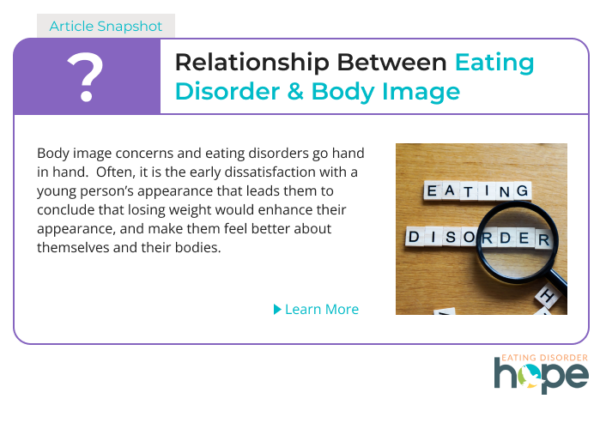
Body image concerns and eating disorders go hand in hand. Often, it is the early dissatisfaction with a young person’s appearance that leads them to conclude that losing weight would enhance their appearance, and make them feel better about themselves and their bodies.
Thus, restrictive eating and over-exercising are often next, frequently leading to patterns of disordered eating and weight obsession that can develop into anorexia, bulimia, orthorexia, compulsive overeating or binge eating disorder.
Treatment For Negative Body Image
Getting treatment for distorted body image is a critical step to recovery. The problem won’t just go away by itself.
Recognizing and acknowledging your feelings and accompanying body sensations will help you become more comfortable in your body and lessens the tendency to suppress feelings and revert to unhealthy, negative inner diatribes to escape uncomfortable feelings.
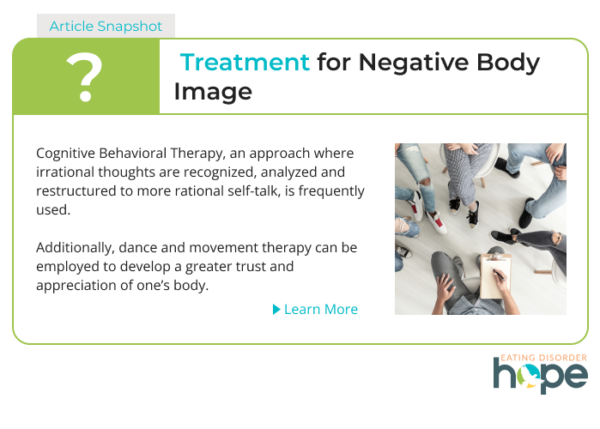
Cognitive Behavioral Therapy, an approach where irrational thoughts are recognized, analyzed and restructured to more rational self-talk, is frequently used.
Additionally, dance and movement therapy can be employed to develop a greater trust and appreciation of one’s body based upon creating internal experiences, rather than simply evaluating one’s body aesthetically.
Many centers for eating disorder treatment specialize in body image awareness.
Slice from Karen Kennedy on Vimeo.
Karen Kennedy is a filmmaker and television producer in Los Angeles, California. For contact information, please email us.
Therapy Options
Body image issues are common in people with eating disorders. In fact, one of the key features of Anorexia nervosa is an intense fear of gaining weight or becoming fat. [2] It’s important to treat both the eating disorder and the poor body image.
There are evidence-based practices that can help treat these co-occurring conditions. However, it’s important to remember that everyone is different, so other approaches may also be helpful.
A mental health provider may use a combination of approaches to help you accomplish your goals in recovering from an eating disorder and body image insecurity. Some treatment approaches include:
- Cognitive Behavioral Therapy (CBT)- CBT is a therapeutic modality that focuses on how your thoughts impact the way you feel and behave. A CBT therapist will work with you to figure out and replace any negative thinking patterns that contribute to your negative body image and disordered eating behaviors. For example, someone may have really negative thoughts about their body that lead to low self-esteem.
- Dialectical Behavior Therapy (DBT)- DBT is an approach that can be used in individual or group therapy. DBT helps people develop coping skills, tools to regulate their emotions, and enhance their relationship skills. In eating disorder treatment, this can be useful to help people tolerate distressing emotions, urges, and situations without engaging in disordered eating.
- Art Therapy- Art therapy can be useful for helping people sort through difficult emotions and express themselves. There are so many different art therapy interventions that can help with poor body image and disordered eating.
- Individual Therapy- There are many different ways to work with an individual dealing with co-occurring eating disorder and body insecurity. Each individual is different and individual therapy gives you an opportunity to work through your unique circumstances. For example, someone may need help working through unrealistic body image standards while another person needs to process unresolved trauma that they are attempting to cope with through disordered eating.
- Family Therapy- Family therapy is sometimes included in eating disorder treatment. Family therapy gives family members an opportunity to learn more about how to support their loved one and work through any family dynamics that may be contributing to the disorder.
- Group Therapy- Group therapy is an opportunity to give and receive support from others who are in a similar situation as you. This can provide group members with a sense of accountability, connection, and support.
There are many different treatment techniques. Each treatment center and provider may offer something different. If you or your loved one could benefit from treatment, look here to find a treatment center near you.
Resources
- National Eating Disorders Association. (n.d). Media and eating disorders. Retrieved July 12th, 2022 from https://www.nationaleatingdisorders.org/media-eating-disorders
- American Psychiatric Association. (2013). Diagnostic and statistical manual of mental disorders (5th ed.). https://doi.org/10.1176/appi.books.9780890425596
Author

Publish Date:
Last Updated: