Eating Disorder Risk and Sexual Minorities

Heart shaped hands The list of overwhelming daily life challenges facing sexual minorities in our culture continues to be unacceptably long. Unfortunately, being at a higher risk for developing disordered eating beliefs and behaviors is on this list. A recent study found more evidence to support that. However, research has shown for some time that individuals in the [...]
Read More

Inpatient Treatment Results for Adolescents

Group of people ready for the NEDA Come As You Are: Marginalized People Inpatient hospitalization for any person, especially adolescents, is a unique and challenging experience. Very rarely does anyone spend a period of their life restricted to living each moment in a hospital with limited access to activities, food, social support, and the outside world. This is precisely the reason that inpatient hospitalization can be successful in [...]
Read More

Childhood Food Neglect and Eating Disorder Risk

Two Children holding hands on a brick path Too many children in the world experience restricted food access or “Childhood Food Neglect”. That is, they do not have access to fresh, affordable, culturally appropriate healthy food that they can get in a dignified way (1). Devastatingly, more than 11 million children in America live in “food insecure” homes, a number which is projected [...]
Read More

Maintaining Eating Disorder Recovery in the Summer of COVID-19

Nature Lone Tree in Field I’m going to assume that the Summer of 2020 did not exactly look as you thought it would. The outbreak of COVID-19 changed everything, canceling planned events, vacations, and experiences and altering our general understanding of daily life, emotions, and socializing. We have all heard this COVID-19 season referred to as “unprecedented,” as in “we [...]
Read More

Getting Comfortable With One’s Own Skin Through Dance Movement Therapy

Ladies Dancing in relation to views of the body Many people with eating disorders struggle to connect with their bodies [1], but can dance movement therapy help with this? The disconnect between mind and body is what mental health professionals call “dissociation.” Dissociation can look a little different for everyone. Some signs of dissociation include feeling your surroundings aren’t real or that your body [...]
Read More

Seeking Online Support for Eating Disorder Recovery

Girl using online screening tool IOI-S to check for eating disorder symptoms Sometimes it’s not possible to receive traditional, in-person eating disorder (ED) treatment. Whether it’s because of work, school, location, transportation issues, or (as is the case recently), social distancing/quarantining due to COVID-19, life can sometimes get in the way of in-person treatment. But this doesn’t mean you have to (or should) put your recovery on [...]
Read More

Seeking Eating Disorder Hospitalization During COVID-19

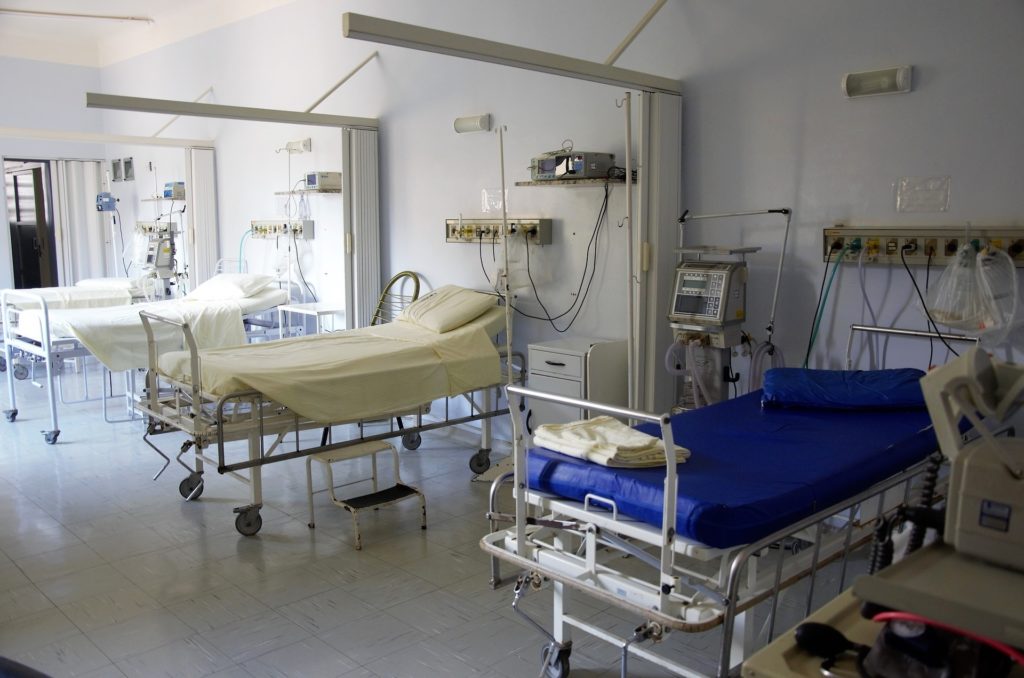
ER Exam Area with Hospital Beds COVID-19 virus has complicated the lives of many since it’s outbreak swept across the globe. What was once simple has become harder, and those things that were already considered challenging can feel impossible. The latter is likely familiar to those struggling with an eating disorder as they learn that the already daunting task of finding eating [...]
Read More

Does the Social Media App “TikTok” Increase Risk for Eating Disorders?

Visual Social Media effects on eating disorders Quarantine has brought about many creative ways to cope, and many of these involve technology and social media apps. Enter “TikTok,” a new video app that you have undoubtedly seen fill your feed with funny videos and new dances. We are deep enough into the age of social media at this point to have an awareness [...]
Read More

New Study Reveals Insight on Autistic Social Traits & Eating Disorders

Nature Road Through Redwood National Park A recent study suggests that 20 to 30% of adults diagnosed with eating disorders are also diagnosed with Autism Spectrum Disorder (ASD), “a broad range of conditions characterized by challenges with social skills, repetitive behaviors, speech, and nonverbal communication [1] [2].” While this connection has been established for some time, as with many co-occurring disorders, [...]
Read More

Exercise and Poor Body Image

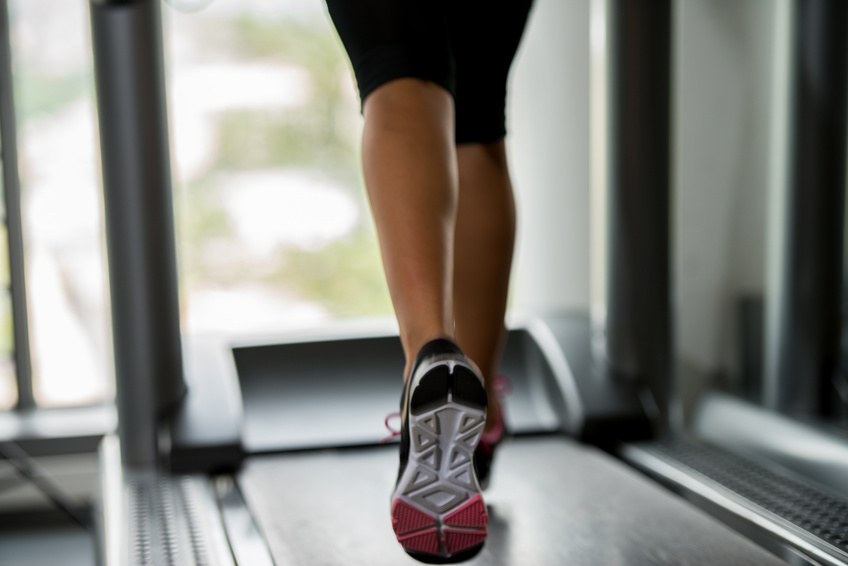
Woman with an eating disorder doing compulsive exercise Exercise is important for physical and mental health [1]. But what happens when exercise becomes harmful? Exercise can be damaging physically and emotionally if it becomes abusive [1]. It can be difficult to know if someone is abusing exercise. Here are some signs: Dependence Someone is dependent on exercise when they use it to avoid upsetting [...]
Read More