Can Anorexia Stunt Growth? Anorexia Nervosa and Stunted Growth Concerns

Growth Chart The body relies on good nutrition to help people reach their full potential. This is especially important during adolescence, when the body experiences heavy growth spurts. But if someone develops an eating disorder during this critical time, they may fail to achieve optimal adult height or experience other issues related to stunted growth. Sadly, once [...]
Read More

Genetic Factors Behind Eating Disorders

Genetic Research Are eating disorders genetic? Researchers think so. Eating disorders can result from both genetic and environmental influences. Several studies suggest that people with anorexia share genetic traits. While similar studies haven’t been conducted on bulimia nervosa and binge eating disorder, researchers still believe these eating disorders have a genetic component. Researchers find that between 40% [...]
Read More

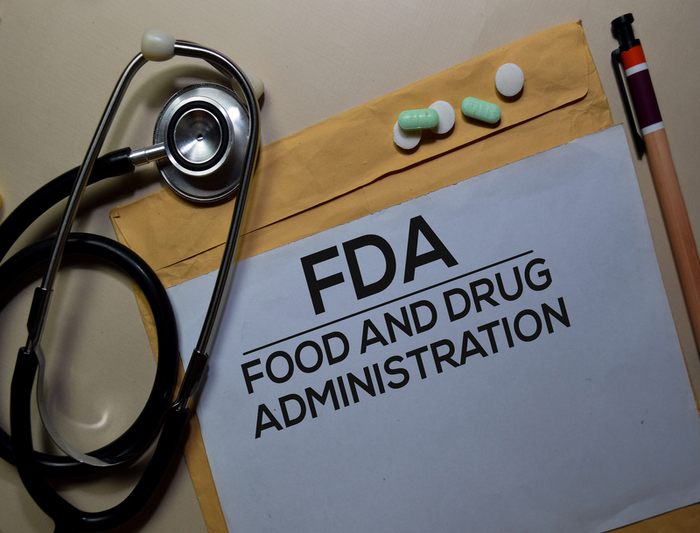
Treating Binge Eating Disorder with FDA-Approved Medicines

Medicine Years ago, treating binge eating disorder (BED) with medication was uncommon. Researchers say drugs can be effective when combined with traditional therapy and ongoing support. Vyvanse: Common Medication for Binge Eating The most common pharmacological treatment for binge eating disorder (BED) is lisdexamfetamine dimesylate, commonly known by the brand name Vyvanse. This drug is a [...]
Read More

Salivary Gland Swelling & Symptoms Due to Eating Disorders

Swollen Glands The human body has three pairs of major salivary glands: Swelling of these glands, but the parotids in particular, is a symptom of both bulimia and anorexia. Often, it’s one of the first visible signs that someone has developed an eating disorder. Swollen parotid glands generally shrink back down after regular purging or limited food intake has stopped. [...]
Read More

Best Eating Disorder Apps That Help Track & Aid Your Recovery Progress

Find Your Purpose Eating disorders are serious mental illnesses affecting 30 million people in the U.S. alone. [1] Recovering from an eating disorder can be challenging and requires hard work, accountability, and support. Thanks to modern technology, numerous eating disorder recovery apps are available. These five eating disorder apps connect you with in-the-moment support, monitor your meals and [...]
Read More

Can I Still Get Treatment for My Eating Disorder With Medicare?

Medicare If you have Medicare, many eating disorder treatment options are available. Medicare typically covers inpatient treatment, which is traditionally done in a hospital setting for medical stabilization. Inpatient eating disorder treatment is provided for a short period and followed by residential care. How to Use Your Medicare Benefits  More than 63 million people are enrolled [...]
Read More

Effective Treatments for Co-Occurring ARFID & Autism

Looking into the view About one in 44 children are diagnosed with autism. [1] Many of these children develop significant food rituals that are hard to break. Sometimes, those habits are significant enough to merit a diagnosis of avoidant restrictive food intake disorder (ARFID). To them, there are no safe foods. Autism has changed their relationship with eating. Treatment teams can address co-occurring [...]
Read More

Returning to School May Increase the Risk for Body Dissatisfaction

Back to school As students around the country returned to their classrooms for the new academic year, they most likely experienced a range of emotions: excitement about reuniting with friends, anxiety about upcoming academic challenges, and stress caused by new routines and expectations. Returning to school after the long summer break can represent a significant change in the [...]
Read More